June 8th – June 24th, 1913
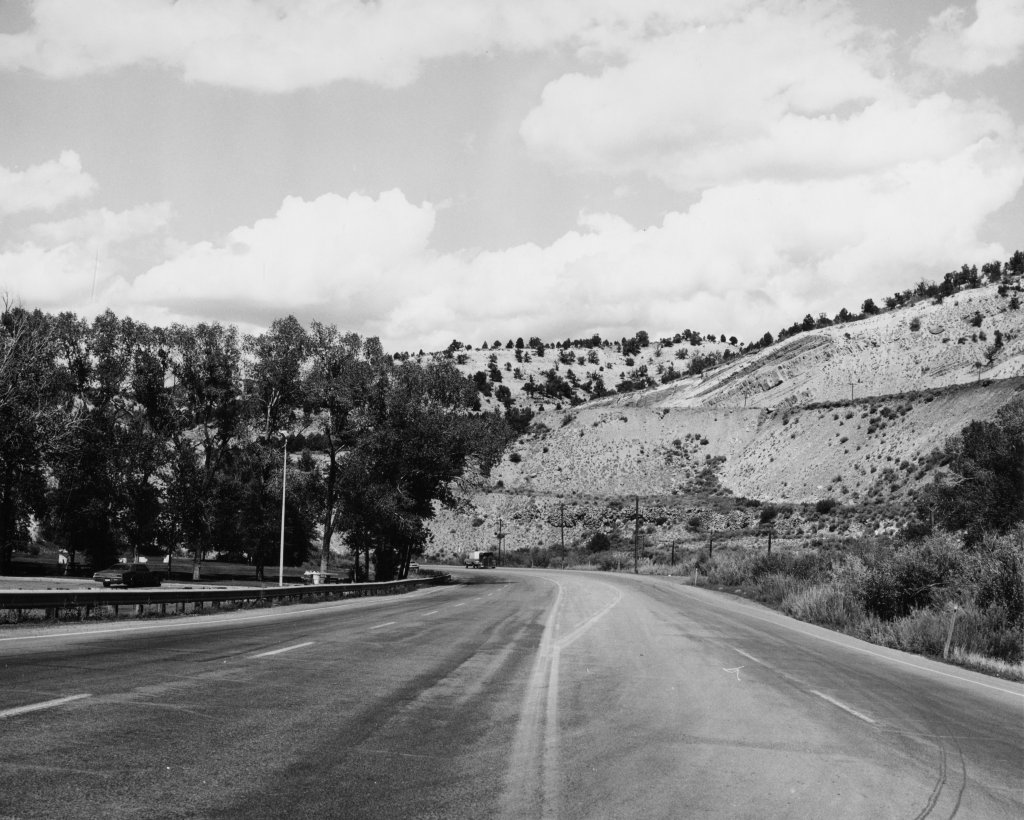
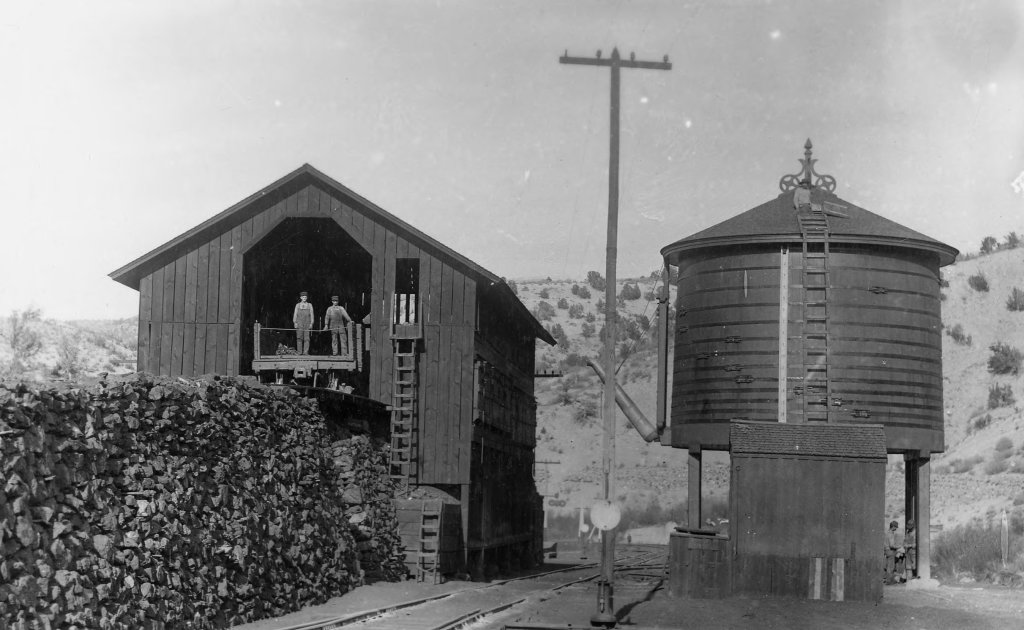
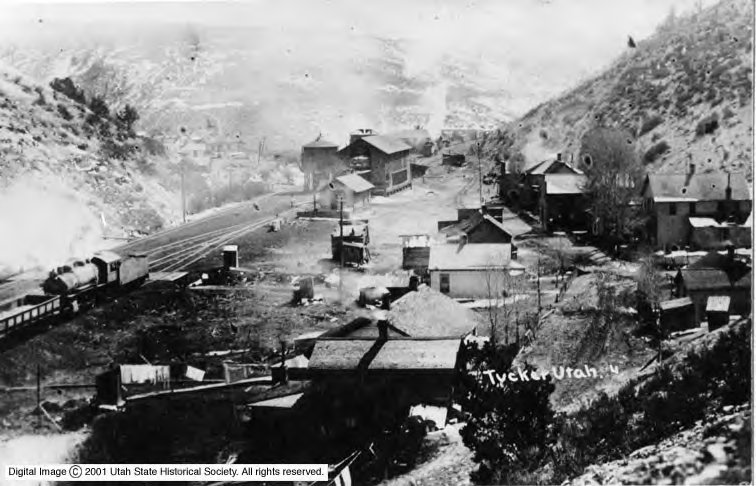
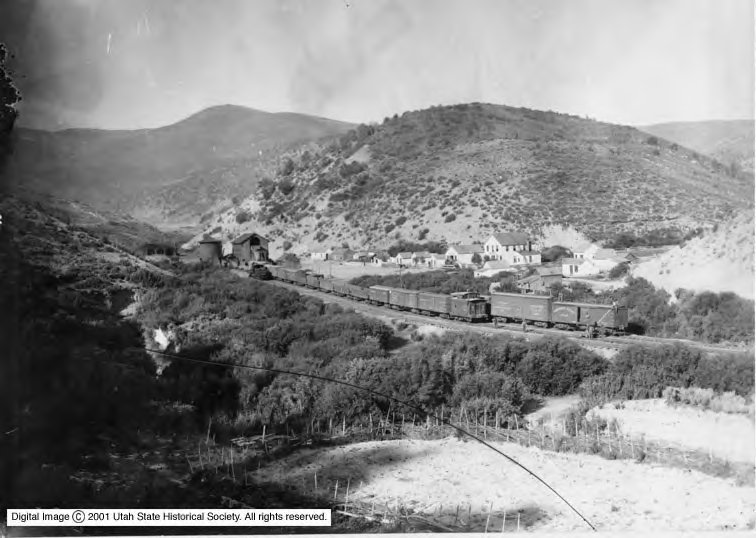
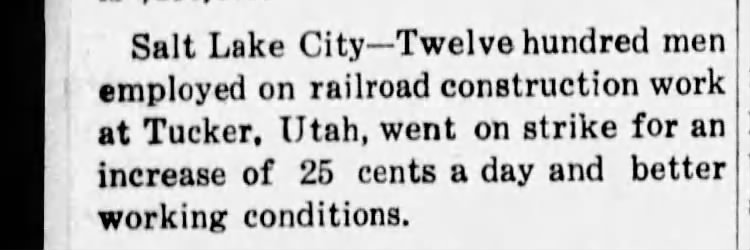
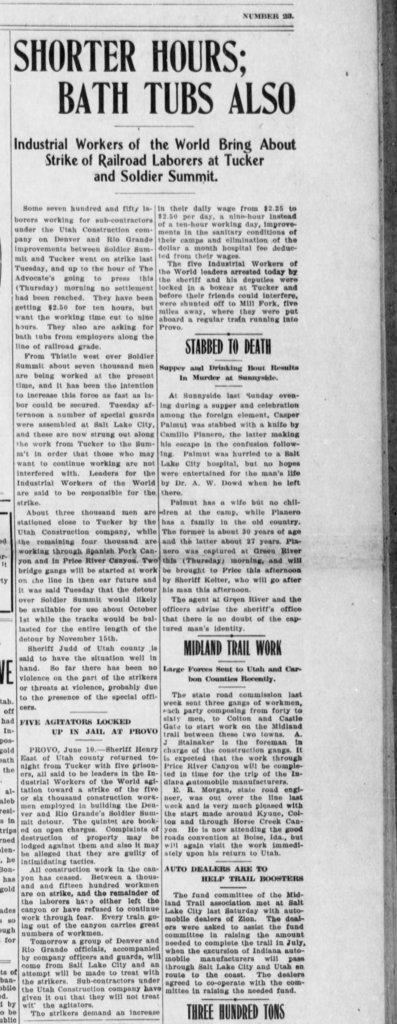
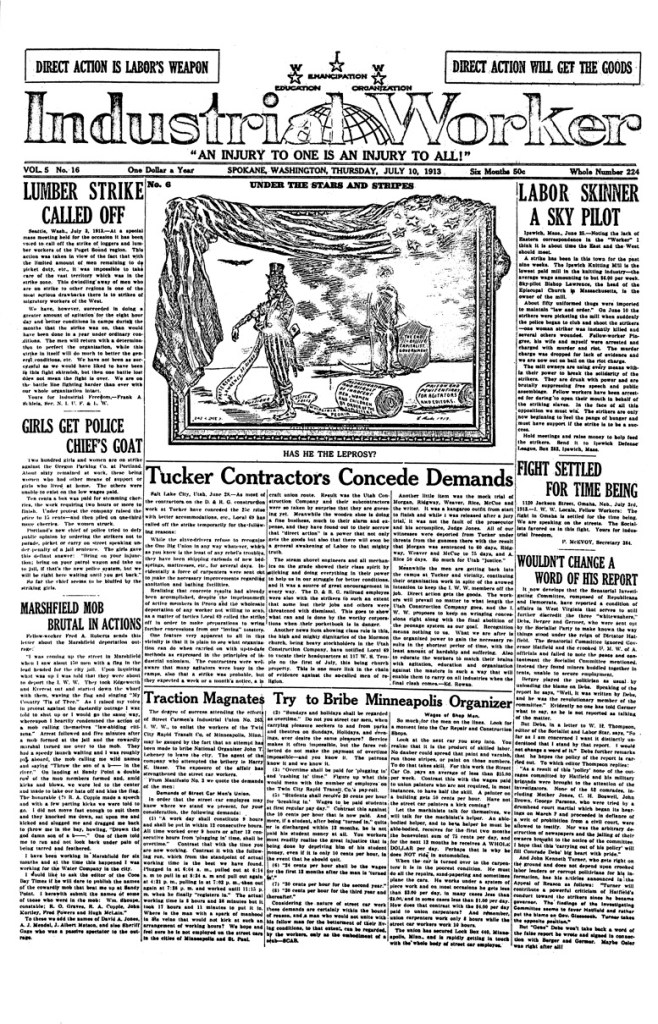
On June 8th, 1913, around noon a strike was called and 1,200 railroad workers made their picket line between the Tucker Mines and Soldier Summit near Cedar City, Utah.
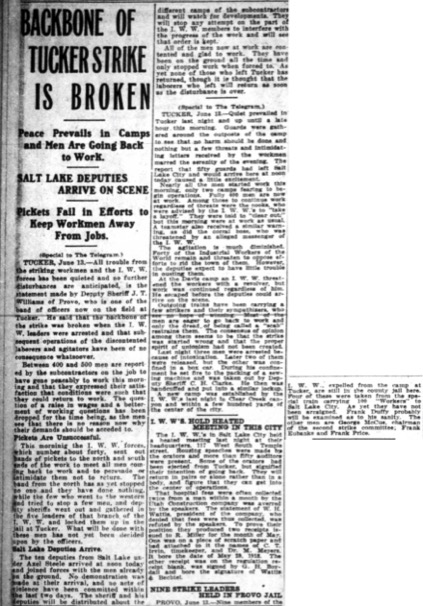
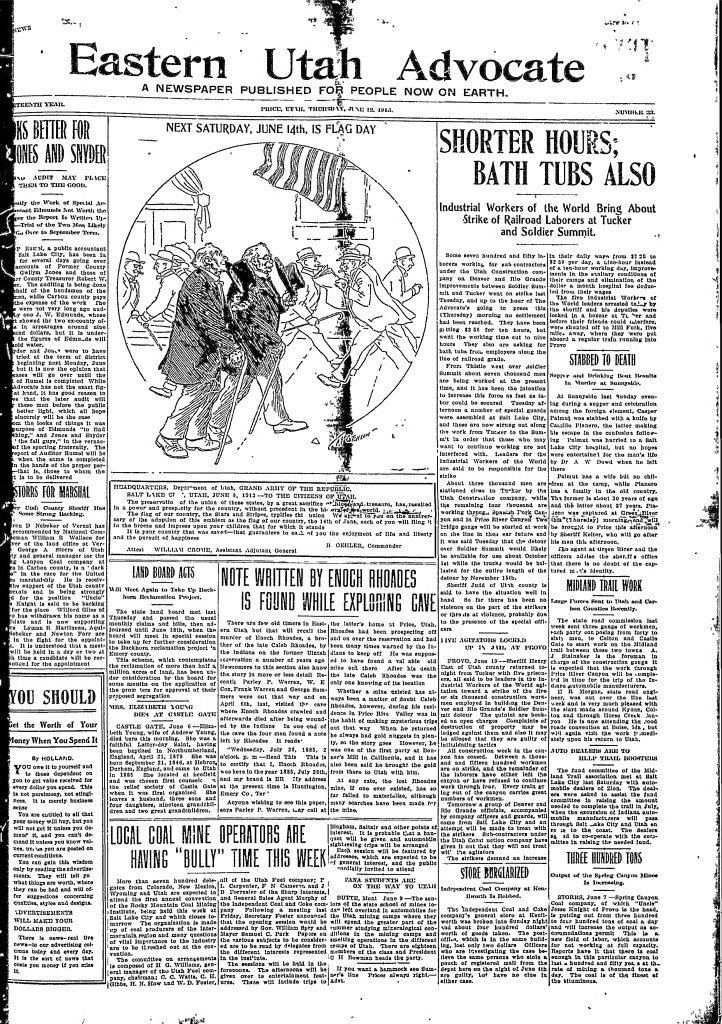
The strikers were railroad workers employed by Utah Construction Company and members of the Industrial Workers of the World (IWW) Local 69. Their demands were simple: a wage increase of 25 cents; a shorter work day (9 hour work day); improved bathing and laundry facilities. Instead of yielding to the workers demands, the Utah Construction Company used their profits to hire a private task force to break the strike. The strikebreakers roster was made up of mostly former and current members of law enforcement. The striking workers were often met with violence with one striker’s even having their back broken. Strikebreakers often policed the rail lines, inviting strikers to climb onboard the train, if folks refused, guns were fired over their heads. Once aboard they were escorted to the rail depots on the outskirts of Salt Lake City. In total, the deputies removed around 300 strikers, and arrested 16 IWW Members deemed responsible for the strike.
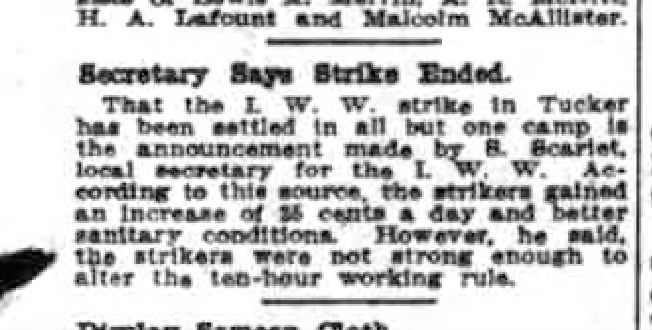
On June 24th, 1913, workers and the IWW claimed victory as the Utah Construction Company agreed to a majority of their demands. Workers received wage increases and improved facilities, including beds and blankets.
Cannon, Brian, Jessie Embry, John McCormick, and John Sillito. “The IWW’s 1913 Free-Speech Fight.” Essay. In Utah in the Twentieth Century, 263–84. Logan, UT: Utah State University Press, 2009.
“Shorter Hours; Bath Tubs Also.” Eastern Utah Advocate. June 12, 1913.
“Backbone of Tucker Strike is Broken.” Salt Lake Telegram. June 13, 1913.
“Salt Lake City.” Tracy Press. June 12, 1913.
“Secretary Says Strike Ended.” Salt Lake Telegram. June 25, 1913.
“Tucker Contractors Concede Demands.” The Industrial Worker. July 10, 1913.
 People's History Utah